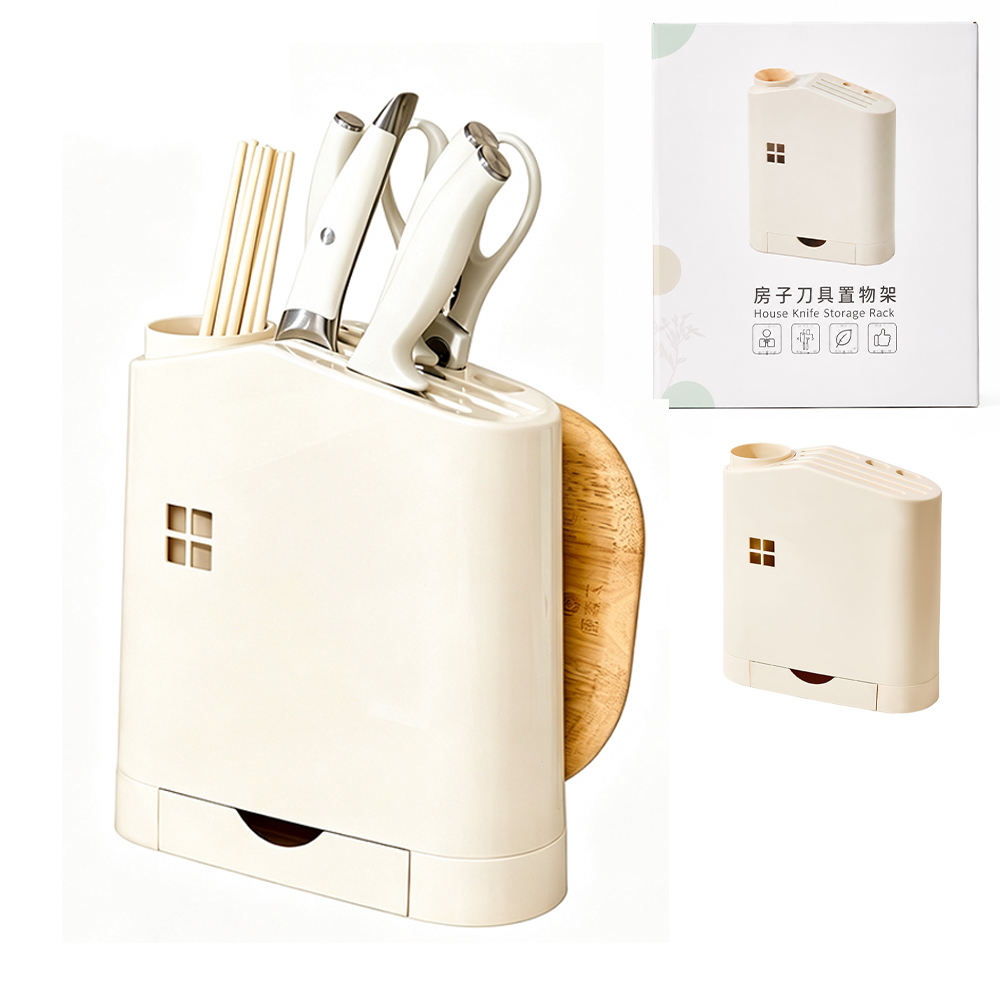
2026 жылы көпқырлы бөлмелі пышақ ұстағышы асүйді ұйымдастыру санатындағы ең тез өсетін өнімдердің біріне айналды. Біздің өнімдерге деген сұраныстарымызда, B2B үлгілерін тапсыруларында және сату каналдарында осы санатқа деген сұраныс 70%-ға артты. Бұл өсу тек ескі пышақ блогын алмастыруға ғана байланысты емес. Бұл қазіргі кезде адамдар асүйді қалай пайдаланатынында болып жатқан ірі өзгерісті көрсетеді. Үйде пісіретіндер, қонақ үйлер мен ресторандардың иелері, қонақ үйлердің жабдықтаушылары, пәтер иелері және асүй ыдыстарын сататын дүкендердің барлығы асүйді таза, қауіпсіз, тез және оңай басқарылатын ететін сақтау өнімдерін қажет етеді.
Біздің көпқызметті бөлме пышақ ұстағышы осы нақты қажеттілікке арналған. Пышақтарды, шаншықтарды, қасықтарды, қайшыларды, шыбықтарды, жабындарды және кішкентай ыдыс-аяқтарды бір ғана толық қойылатын қалтаға лақтыру орнына, пайдаланушылар оларды қызметі мен өлшемі бойынша бөле алады. Пышақтар арнайы саңылауларға қойылады, ыдыс-аяқтар айқын бөлімдерге бөлінеді, ал жиі қолданылатын құралдар қол жетімді орында сақталады. Нәтижесінде қоймаға қойылған жұмыс үстелі, дайындық уақытының қысқаруы және үй мен кәсіби ас үйлеріндегі көріністің жақсаруы болады.
Ас үйдегі сақтау және реттеу үшін сұраныс глобалды нарықтық тенденцияларға негізделеді. Grand View Research зерттеуіне сәйкес, әлемдегі ас үйдегі сақтау және дүкенше ұйымдастыру өнімдері нарығы 2026 жылы 150,4 млрд АҚШ долларынан 2030 жылы 182,1 млрд АҚШ долларына дейін өсуі күтілуде, ал 2024–2030 жылдар аралығында орташа жылдық өсу темпі (CAGR) 4,8% құрайды. Бұл сақтау құрылғыларының енді кішкентай қосымша санат емес, ол тұтынушылардың ас үй тәжірибесін жақсартуының маңызды бөлігі екенін көрсетеді.
Пышақ санаты өзі де кеңейіп барады. Fortune Business Insights зерттеуіне сәйкес, әлемдегі ас үй пышақтары нарығы 2026 жылы 2,23 млрд АҚШ долларынан 2034 жылы 3,73 млрд АҚШ долларына дейін өсуі күтілуде, ал орташа жылдық өсу темпі (CAGR) 6,64% құрайды. Тұтынушылар жоғары сапалы пышақтарды көбірек сатып алған сайын, олар пышақтардың қырларын қорғау, әртүрлі құралдарды бөліп қою және ас үйдегі жұмыс аймағын тиімді ұйымдастыру үшін жақсырақ сақтау құрылғыларын да қажет етеді.
Дизайндық бағыттар бірдей бағытта қозғалады. NKBA/KBIS өзінің 2026 жылғы Ас үйдегі трендтер туралы есебінде кеңейтілген сақтау құрылғыларының танымалдығы артып келетінін атап өтеді; зерттеуге қатысқан ас үй мамандарының 72%-ы оны денсаулықты жақсарту мен ас үйде жалпы ыңғайлылықты қамтамасыз етуге ыңғайлы құрал ретінде атайды. Houzz да 2026 жылғы негізгі бағыт ретінде ақылды сақтау құрылғыларын атап өтеді, үй иелері шаң-тозаңды азайту және ас үй мен ванна бөлмесінің тиімдірек жұмыс істеуін қамтамасыз ету үшін шешімдер іздейді.
Бұл трендтер көпфункциялық бөлікпен жабдықталған пышақ ұстағышының тез өсуін түсіндіреді. Бұл тек ыдыс емес. Бұл практикалық ас үй жұмыс процесін жеңілдететін құрал.
Көп жұмыс істейтін ас үйге жылдамдық қажет. Пайдаланушы таңғы ас дайындап, кешкі ас пісіріп, көкөністерді жуып, етті кесіп, тамақты ыдысқа салып немесе тамақтан кейін тазалап жатқанда, әрбір құрал оңай табылатындай болуы керек. Егер пышақтар қасықтармен, шанышқылармен, шыбықтармен, қайшылармен және кіші құрылғылармен араласып кетсе, пайдаланушы іздеуге уақыт жұмсайды. Одан да жаманы — тығыз жиналған қойылғышта іздеу кезінде кездейсоқ пышақтың өткір жағына тиып кету ықтималдығы артады.
Бөліктерге бөлінген пышақ ұстағышы осы проблеманы шешеді, белгілі аймақтар құрады. Аспаз пышақтары, жеміс пышақтары, стейк пышақтары, қайшылар, шанышқылар, қасықтар, шыбықтар және кіші ыдыс-аяқтар үшін әрқайсысына жеке аймақ бөлінеді. Пайдаланушы көп ойлануға мәжбүр емес. Керек зат көрініп тұрады, бөлек орналасқан және алуға дайын.
Бұл үйде және коммерциялық ортада да маңызды. Үйдегі ас үйде айқын аймақтау күндік қиындықтарды азайтады. Қонақ үйлердегі немесе қызмет көрсетілетін пәтерлердегі таңғы ас аймағында ұйымдастырылған құралдар кеңістікті ұстауды жеңілдетеді. Отбасы мүшелері, егде адамдар және көп жұмыс істейтін адамдар үшін пайдасы қарапайым: іздеу азаяды, ретсіздік азаяды және ас дайындау тегісірек өтеді.
Дәстүрлі пышақ блоктары әдетте тек пышақтарға ғана назар аударады. Дәстүрлі ыдыс-аяқ қораптары жиі қолтықшаға жасырылады. Ал қазіргі заманғы ас үйлерге икемді шешім қажет. Көптеген үйлерде әртүрлі пышақ түрлері, әртүрлі ұстағыш өлшемдері, ас үй қайшысы, стейк пышағы, жеміс пышағы, шаншықтар, қасықтар, шыбықтар және қызмет көрсету құралдары болады. Бір мақсатты сақтау өнімі бұл әртүрлілікті әрқашан да қамтуға қол жеткізбейді.
Біздің көпқыралды бөлме пышақ ұстағышы әртүрлі бөліктерден тұрады. Ол пышақтар мен ыдыс-аяқтарды бір орында, реттілікпен сақтауға мүмкіндік береді, соның нәтижесінде барлығы араласпайды. Бұл көріністі жақсартады және орындықты тиімдірек етеді.
Кішкентай мекемелер үшін бұл әсіресе маңызды. Көптеген пәтерлер, жалғыз тұратын үйлер, ұялы типтегі ас үйлер мен шағын қалалық ас үйлерде қол жетімді жинау қашықтығы шектеулі. Ақылды бөліктері бар орындық ұстағышы жинау қашықтығын босатып, күнделікті құралдарды шаю орнына немесе кесу аймағына жақын ұстайды. Үлкен ас үйлерде ол арнайы дайындық орны ретінде қызмет ете алады, жиі қолданылатын құралдарды кәсіби түрде көрсетілетін бір орында ұстайды.
Ас үйде қауіпсіздік тек пышақты қалай қолдануға байланысты емес; ол сондай-ақ пышақты қалай сақтауға және қалай алуға байланысты. АҚШ-тың Ауруларды бақылау және алдын алу орталығы (CDC) тамақ қауіпсіздігі бойынша нұсқаулығында тағамдық залалдануды болдырмау үшін негізгі қадамдардың бірі ретінде таза беттерді ұстау мен қауіпті тағамдарды басқа тағамдардан бөліп ұстаудың маңызын атап көрсетеді. АҚШ-тың Ауыл шаруашылығы департаментінің Қоректік өнімдерді бақылау қызметі (USDA FSIS) сонымен қатар кесу тақталары мен ас үй құралдарын қолданған кезде, әсіресе шикі ет пен құс етін өңдеу кезінде, араласуға жол бермеудің маңызын атап өтеді.
Бөліктерге бөлінген пышақ ұстайтын құрылғы осы логиканы қолдайды, яғни пайдаланушыларға құралдарды анықырақ бөліп ұстауға көмектеседі. Өзі пышақ ұстайтын құрылғы жуу, дезинфекциялау немесе дұрыс тағамды өңдеу процестерінің орнын баспайды, бірақ ол тәртіпті ортаны құруға көмектеседі. Таза пышақтар тік қалпында және бір-бірінен бөлек сақталуы мүмкін. Ас үй ыдыстары өз бөліміне орналастырылуы мүмкін. Әртүрлі тапсырмалар үшін қолданылатын құралдарды анықтау мен алу оңайырақ болады.
Шындығында бұл маңызды. Құралдар бір-біріне жиналған кезде пайдаланушылар дұрыс емес затты алып, пышақтардың жетіспейтін жеріне тиеді немесе таза ыдыстарды лас ыдыстарға жақын қояды. Құралдар санаттар бойынша бөлінген кезде күндік дағдыларды бақылау оңайласады. Жақсы ұйымдастырушы өзі қауіпсіз тәсілмен тағам дайындай алмайды, бірақ ол таза және реттелген кухня кеңістігін ұстауды жеңілдететін кухня жоспарын қолдай алады.
Көптеген кухнялар кеңістіктің жетіспеушілігінен емес, күнділік құралдардың қажетті орны болмағандықтан қиыншылық туғызады. Пышақтар қапшықта жатуы мүмкін. Қасықтар стаканда болуы мүмкін. Қайшылар шауып тазарту орнының жанында орналасуы мүмкін. Шыбықтар шанышқылармен араласып кетуі мүмкін. Кіші құралдар ыдыстар мен тақталардың артында жоғалып кетуі мүмкін. Бұл көріністің бұзылуына әкеледі және ас дайындауды баяулатады.
Көпқызметті бөлме пышақ ұстары барлық осы құралдарға бір анық орын береді. Ол ретсіз бұрышты ұйымдастырылған станцияға айналдыруға көмектеседі. Бұл өнім ас дайындау аймағының жанында, шаңғырдың қасында, ас үйдегі аралда немесе азық-түлік зонасының ішінде орналасуы мүмкін. Ол бірнеше сақтау қызметтерін біріктіретіндіктен, жеке ыдыстардың қажеттілігін азайтады.
Сондықтан 70% өсу сигналы коммерциялық тұрғыдан маңызды. Сатып алушылар тек пышақ блогын іздеуде емес, сонымен қатар ас үйді ұйымдастыру шешімін іздеуде. Пышақтарды, құрал-сайман мен ыдыс-аяқтарды санатталған тәртіппен ұстай алатын өнім бір қызметті ұстағышқа қарағанда күштірек құндылық тарихын ұсынады.
Отбасылық ас үйде ыңғайлылық – ең басты сату нүктесі. Ата-аналар жұмыс пен отбасылық міндеттер арасында тез пісіреді. Балаларға қауіпсіз және көрінетін тәсілмен қасық немесе шанышқы қол жетімді болуы керек. Кәрі адамдар көрінетін, болжанатын сақтау орындарынан пайда көреді. Бөліктерге бөлінген ұстағыш қажеттіліктен астарларды қайта-қайта ашуға тура келмейді және жиі қолданылатын құралдарды бір тұрақты орында ұстайды.
Сондай-ақ, бұл ас үйдің сыртқы түрін де жақсартады. Таза ұстағыш шашылған ыдыс-аяқ немесе үйлеспейтін ыдыстарға қарағанда әдемірек көрінеді. Қазіргі тұтынушылар ас үйдің суреттеріне, ашық жоспарлы өмір салонына және көрініс ретіне назар аударады. Егер ас үй дәмхана немесе өмір салонымен біріктірілген болса, жұмыс үстеліндегі тәртіпсіздік одан да көрініп тұрады. Көпфункциялы ұйымдастырушы кеңістікті таза және мақсатты сезіндіреді.
Бұл өнім жалға алынған үйлерге және аз кеңістікті пайдаланушыларға да қолайлы. Ол шкафтарды қайта жасауды немесе тесу қажет етпейді. Пайдаланушылар оны қойылған бетіне қойып, дереу сақтау мүмкіндігін жақсартуы мүмкін. Бұл өнім пәтерлерге, ортақ тұратын үйлерге, студенттік тұрғын үйлеріне және қысқа мерзімді жалға берілетін құрылыстарға сәйкес келеді.
Коммерциялық ас үйлерде тиімділік, тұрақтылық және оңай тазарту қажет. NSF азық-түлікке қауіпсіз жабдықтар азық-түлік қауіпсіздігі бағдарламаларының маңызды компоненті болып табылатынын түсіндіреді, сонымен қатар ұйым коммерциялық тамақтану ортасы үшін стандарттарды әзірлеп, өнімдерді сертификаттаған. Бұл әрбір үйшіліктегі пышақ ұстағышының NSF сертификатына ие болуы керек екенін білдірмейді, бірақ бұл кеңірек кәсіби принципті көрсетеді: ас үйдегі құралдар мен жабдықтар санитария, тазартуға оңайлық және қауіпсіз пайдалануға назар аударып құрылуы керек.
Әртүрлі тағамдарды дайындау үшін арналған орындарда — мәжілістерде, кафелерде, қонақ үйлерде, қызмет көрсету кеңістіктерінде және қызметкерлердің ас үйлерінде — көпфункциялық бөлімшелер ұстағышы құралдарды санаттар бойынша реттеуге көмектеседі. Қызметкерлер дұрыс пышақты немесе ыдысты тезірек таба алады. Басқарушылар құралдарды қайда сақтау керектігін стандарттауға болады. Тазарту қызметкерлері сақтау аймағына назар аудару керектігін көре алады. Қонақ үйлердегі бөлмелерде, қызмет көрсетілетін пәтерлерде және таңғы ас аймақтарында жақсы жобаланған ұстағыш ас үйді толық және кәсіби көрініс береді.
Қонақ үйлерге қызмет көрсетушілер үшін бұл қуатты B2B сату нүктесін құрады. Жалғыз өнім бірнеше жоба түрлеріне қызмет ете алады: қонақ үйлердегі ас үйлері, пәтерлердегі ас үйлері, офис жиналыс орындары, мәжілістердегі дайындық аймақтары және сауда орындарындағы ас үй ыдыстары жиынтығы. Өнім қанша көп сценарийге сыйса, оны топтап сату соғұрлым оңай болады.
Қарапайым пышақ қойғыш пышақтарды ұстайды. Қарапайым ыдыс-аяқ ыдысы қасықтар мен шаншғыштарды ұстайды. Қарапайым аспап ұстағыш құралдарды ұстайды. Ал көпқызметті бөлмелі пышақ ұстағыш осы қажеттіліктерді бір өнімде біріктіреді. Сондықтан бірлікке шаққандағы құн жоғарырақ.
Тұтынушылар үшін бұл бірнеше жеке реттеуіштердің болмауын білдіреді. Сатушылар үшін бұл қабылданған құны жоғары өнімді білдіреді. Торға әкелушілер үшін бір SKU бірнеше сатып алушылардың қажеттіліктерін қамтиды. Жеке брендтер үшін бұл түсіндіруге оңай өнімдік тарих құрады: «пышақтар, ыдыс-аяқ және күнделікті аспаптар үшін бір реттеуіш».
Бұл әсіресе онлайн сатуда әсерлі. Алып-беру алаңындағы тұтынушылар сипаттамаларды тез салыстырады. Бірнеше бөлмеден, санатталған сақтау, оңай қол жетімділік, орын үнемдейтін орналасу және заманауи дизайнмен жабдықталған өнім негізгі пышақ қойғышқа қарағанда көзге түседі. Сонымен қатар, пайданы тез көрсетуге мүмкіндік беретіндіктен, өнімнің суреттері мен бейнелерін жақсартады.
Пышқыш ұстағышы тұрақты болуы керек. Егер ол ауысып кетсе, сырғыса немесе пышқыштар мен ыдыс-аяқтардың салмағын көтере алмаса, пайдаланушы оған сенімсіз болады. Біздің өнімді мақсатты нарыққа қарай берік конструкциялық дизайнмен, тепе-теңдікте орналасқан салмақпен, тұрақты табандармен, тұрақты материалдармен және тазартуға оңай беттермен дамытуға болады.
Әртүрлі тұтынушыларға әртүрлі материалдар қажет болуы мүмкін. Кейбір нарықтар заманауи, тұрақты көрініс беретін штайнді болатты ұнатады. Кейбірлері жеңіл салмақты және бағасы бойынша бәсекеге қабілетті пластикті ұнатады. Кейбірлері жылы мәзірлік стиль беретін бамбук немесе ағаш тәрізді дизайны ұнатады. Кейбір коммерциялық сатып алушылар тазартуды жеңілдететін, тазартуға оңай беттер мен қарапайым пішіндерді ұнатады.
Ішкі орналасу да маңызды. Пышақ салынатын орындар қырлардың бір-бірімен жанасуын азайту үшін орналасуы керек. Асқабақтар бөлімі әріптерді тік қалпында ұстай алатындай терең болуы керек. Негіз күнделікті құралдарды алу мен қайтаруға жеткілікті тұрақты болуы керек. Өнімнің стильі мен пайдалану жағдайына қарай желдету мен су ағызу жүйесінің дизайнын да қарастыруға болады. Осы инженерлік ерекшеліктер негізгі реттеушіні сенімді ас үй өніміне айналдырады.
Тұтынушылар сақтау өнімдерін өмірлерін жеңілдету үшін сатып алады. «Оңай қатыну» — бұл белгісіз сөз тіркесі емес; оның нақты құндылығы бар. Қажетті құрал көрінетін және қол жетімді болған кезде, ас дайындау тезірек болады. Асқабақтар топталған кезде отбасы мүшелері заттарды дұрыс орынға қайтара алады. Пышақтар бөлек орналасқан кезде пайдаланушылар қапшық ішінде іздеуге мәжбүр болмайды. Стол үсті ұйымдастырылған кезде ас үйді пайдалану оңайлау болады.
Бұл сонымен қатар ас үйді ұйымдастыру өнімдерінің өсуіне де себеп болады. Houzz-дың 2026 жылғы ас үйдегі сақтау туралы мазмұны терең жәшіктер, ашық рафтар, кіретін қойма және екілік ас үй аралдары сияқты практикалық идеяларды қамтиды, олар ас үйді пайдалануды жеңілдетеді. Осы принцип төртбұрышты беттегі де қолданылады. Көпқызметті бөлікті пышақ ұстағыш — кішігірім өнім, бірақ ол күнделікті қолжетімділік мәселесін шешеді.
Сатушылар үшін бұл — тұтынушылар тікелей түсінетін хабар: анық аймақтар, тез қолжетімділік, аз шатастыру.
Біздің компания көпқызметті бөлікті пышақ ұстағыштары мен басқа ас үйдегі сақтау өнімдері үшін OEM және ODM тәсілімен тапсырыс бойынша жасауды қолдайды.
OEM жобалары үшін біз өнімді сіздің бренд логотипіңізбен, тапсырыс бойынша қаптаумен, штрихкодпен, нұсқаулық картасымен, түс таңдауымен, өлшем опциясымен және нарыққа арналған белгілеумен шығарамыз. Бұл импортёрлерге, Amazon сатушыларына, ас үй ыдыстары брендтеріне, супермаркеттегі каналдарға, қонақ үйлерге қызмет көрсететін тәртіпшілерге, қонақхана тәртіпшілеріне, қонақхана қызметін қамтамасыз ететін таратушыларға және топтап сатушыларға сай.
ODM жобалары үшін біз тереңірек тапсырыс бойынша құрастыруды ұсынамыз. Біз бөлмелердің орналасуын, пышақ орындарының санын, құрал-сайман аймағының өлшемін, қасықтар аймағын, қайшы орынын, су ағызу базасын, алынатын сепетті, материалдардың комбинациясын, беттің жабылуын, сырғымайтын табаны, қаптаудың құрылымын және толық ас үйді ұйымдастырушы жиынтықтарын талқылай аламыз. Мысалы, үй жабдықтары брендіне кіші ас үйлер үшін компактты стационарлық модель қажет болуы мүмкін. Қонақхана тәртіпшілеріне ірі коммерциялық стильдегі ұстағыш қажет болуы мүмкін. Қонақхана тәртіпшілеріне таза минималистік дизайн қажет болуы мүмкін. Жоғары сапалы ас үй брендіне тұрақты болат, бамбук немесе матты жабылу опциялары қажет болуы мүмкін.
Таңдау — бұл тек сыртқы түрін ғана емес. Бұл өнімді сату арнасына сайлау. Интернеттегі сатушыларға күшті суреттер мен анық сипаттамалар қажет. Дүкендерге өнімді тез түсіндіретін қаптау қажет. Коммерциялық сатып алушыларға берік құрылым мен тұрақты қайталанатын өндіріс қажет. Жеке маркалы тауарлар үшін бренд құндылығын қалыптастыруға жеткілікті дәрежеде ерекше көрінетін дизайн қажет. Біздің OEM және ODM қызметі клиенттерге дұрыс нарық үшін дұрыс өнімді жасауға көмектеседі.
Көпқырлы ұйымдастырушының қаптауынан оның қызметін тез түсіну қажет. Қорапта пышақтар, шаншықтар, қашықтар, қытайлық шаншықтар, қайшылар және ас құралдары бөлек аймақтарда орналасқан көрсетілуі мүмкін. Оның «жіктелген сақтау», «оңай қол жетімділік», «орын үнемдеу», «көпбөлмелі дизайн», «пышақтар мен ас құралдары үшін» және «OEM/ODM қолжетімді» екендігін ерекшелеуге болады.
Электрондық саудада өмір сүру стилін көрсететін суреттер өте маңызды. Өнімді нағыз ас үйдегі жұмыс үстелінде, кесу тақтайшасының жанында, шаңғыттың қасында және кішкентай ас үйде көрсету керек. Тұтынушылар өнімнің ретсіздікті қалай шешетінін бірден түсінуі тиіс. Бейнелерде пайдаланушы нож алып, оны қойылатын орынға қайтарып, құрал-сайман бөлігіне шанышқыларды орналастырып, үстелді таза ұстағаны көрсетілуі мүмкін.
Бұл өнімді көптеген әдеттегі ас үй әріптестеріне қарағанда сатуға оңайлатады. Пайдасы көрінетін, тәжірибелік және күндік әдеттермен байланысты.
B2B тұтынушылар үшін жақсы үлгі жеткілікті емес. Қайталанатын өндіріс тұрақты болуы керек. Біз құрылымды тексеруге, бөлмелердің дәлдігіне, материалдардың біртектілігіне, беттің жабылуына, негіздің тұрақтылығына, қаптаудың қорғанысына және жеткізілмеден бұрынғы тексеруге назар аударамыз. Егер өнім шойын болса, бет сапасы мен жиектердің өңделуі маңызды. Егер ол пластиктен жасалған болса, форма дәлдігі мен тұрақтылығы маңызды. Егер онда бамбук немесе ағаш элементтері болса, жабылу сапасы мен ылғалдың бақылануы маңызды.
Сапаны бақылау тұтынушының брендін қорғайды. Тербелісті ұстағыш, қатты жиектер, нашар орындалған ойықтар, әлсіз негіз немесе зақымданған қаптау шағымдарға әкелуі мүмкін. Тұрақты өнім пікірлерді жақсартады, қайтарылымдарды азайтады және ұзақ мерзімді ынтымақтастықты қолдайды. Біздің мақсатымыз — тек ас үйді ретке келтіруші өнім беру емес, тұтынушыларға сенімді өнімдер сериясын құруға көмектесу.
Көпфункциялық бөлмелердегі қысқыштардың 70% өсуі сатып алушылардың кухняны ақылдырақ ұйымдастыруға қызығушылығын көрсетеді. Әлемдік сақтау нарығының деректері, пышақтардың өсуі және 2026 жылғы дизайн тенденциялары кухнялардың қызметкерлігін арттыруға, оларды тиімдірек ұйымдастыруға және кеңістікті тиімді пайдалануға бағытталғанын көрсетеді. Grand View Research қысқаша сақтау мен дүкендерді ұйымдастыру нарығында құндылықтың жоғары болатынын көрсетеді, Fortune Business Insights кухня пышақтарының өсуінің жалғасын көрсетеді, NKBA/KBIS 2026 жылғы кухняларда сақтауды жақсартуды негізгі сипаттама ретінде атап өтеді, ал Houzz шаң-тозаңды азайтатын және күндік пайдалануды жақсартатын ақылды сақтау шешімдеріне назар аударады.
Біздің көпқырлы бөлме пышақ ұстағышы осы тенденцияларды тәжірибелік өнімге айналдырады. Ол пышақтар мен ыдыс-аяқтарды анық ажыратады, құралдарға қол жеткізуді жеңілдетеді, үстел бетіндегі реттілікті жақсартады, ас үйдегі жұмыс үдерісін жақсартады және үйлерге, пәтерлерге, қонақ үйлерге, қонақханаларға, офиске және сауда ас үй ыдыстары каналдарына арналған. OEM және ODM тәсілімен тапсырыс беру мүмкіндігі бар, сондықтан тұтынушылар өзінің нұсқасын құруға болады: қалаған орналасуы, материал, логотип, қаптау және нарықта орналасуы бойынша.
2026 жылы бұл тек пышақ ұстағышы емес. Бұл – үй жағдайында да, коммерциялық нарықта да кеңінен қолданылатын, сатып алуға тартымдылығы жоғары, пайдаланушы үшін айқын пайда әкелетін ас үйдегі реттілік шешімі.
 EN
EN
